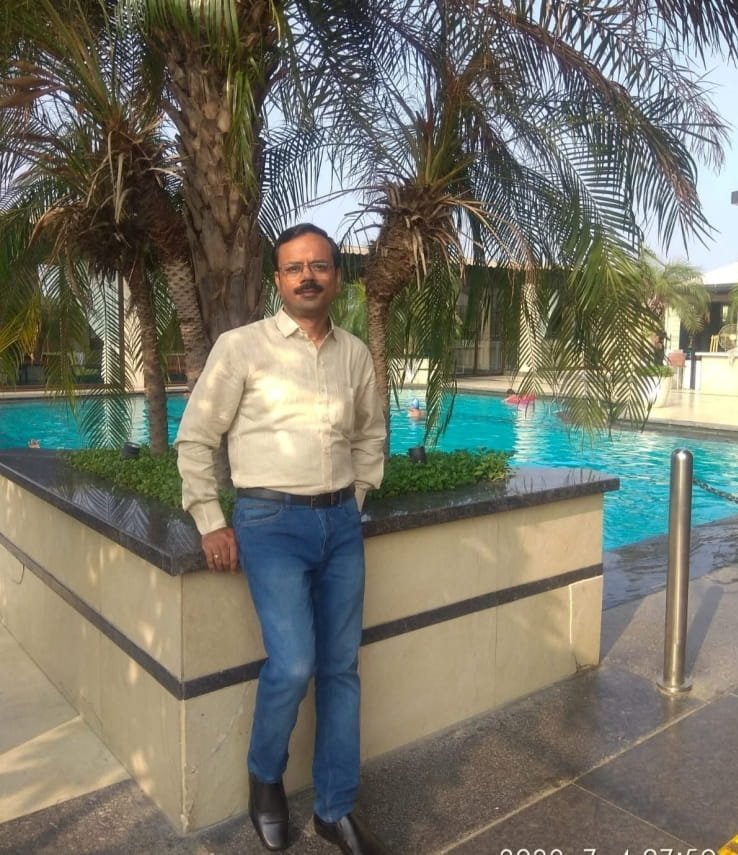
“I like being close to the work. Being able to understand a client’s problem, think about the solution, write the code, test it, improve it and see the finished product being used is what I enjoy about software development.”
Ashish Chandra
Founder
That's one reason Kenbit has remained small.
Small doesn’t have to mean limited. It can mean focused. And for the right project, having an experienced developer involved from beginning to end can be a real advantage.
Over the past 15+ years, I’ve worked on large-scale software projects while working with different mid-sized companies, gaining experience across a wide range of platforms, technologies and business requirements.
Since 2007, I’ve also worked directly with my own clients through Kenbit Software. Today, I combine both experiences: the discipline and perspective gained from larger projects with the personal attention and flexibility of an independent developer.
Methodology
How it Works
No Overhead
No Additional Cost
No sales team. No unnecessary layers. No passing your project from one department to another.
Just a direct conversation about what you need and how we can build it.
Simplicity
Simple Technology
There is always a newer framework, a newer library and a newer development trend. But newer doesn’t automatically mean better. I prefer technology that is appropriate for the problem — reliable, understandable and maintainable.
Understand first
Build second
I take time to understand how a business works before deciding what should be built. I try to keep interfaces clear, workflows practical and software as simple as the problem allows.
Process
From idea to working software
01 — Listen
We start with a conversation. What are you trying to achieve? What isn’t working today?
02 — Understand
I look at your existing process and identify what actually needs to be solved.
03 — Simplify
Before writing code, I look for the simplest practical solution.
04 — Build
The software is developed iteratively, with regular communication along the way.
05 — Refine
Your feedback helps shape the final product.
06 — Support
The relationship doesn’t necessarily end when the software goes live.
One Idea
In a nutshell
You don’t need a big software company to build good software. You need someone who understands what you’re trying to accomplish and knows how to build it well.